Nordic and other EU or EEA businesses chasing overdue B2B invoices, and the bookkeepers who prepare the reminder.
How it works
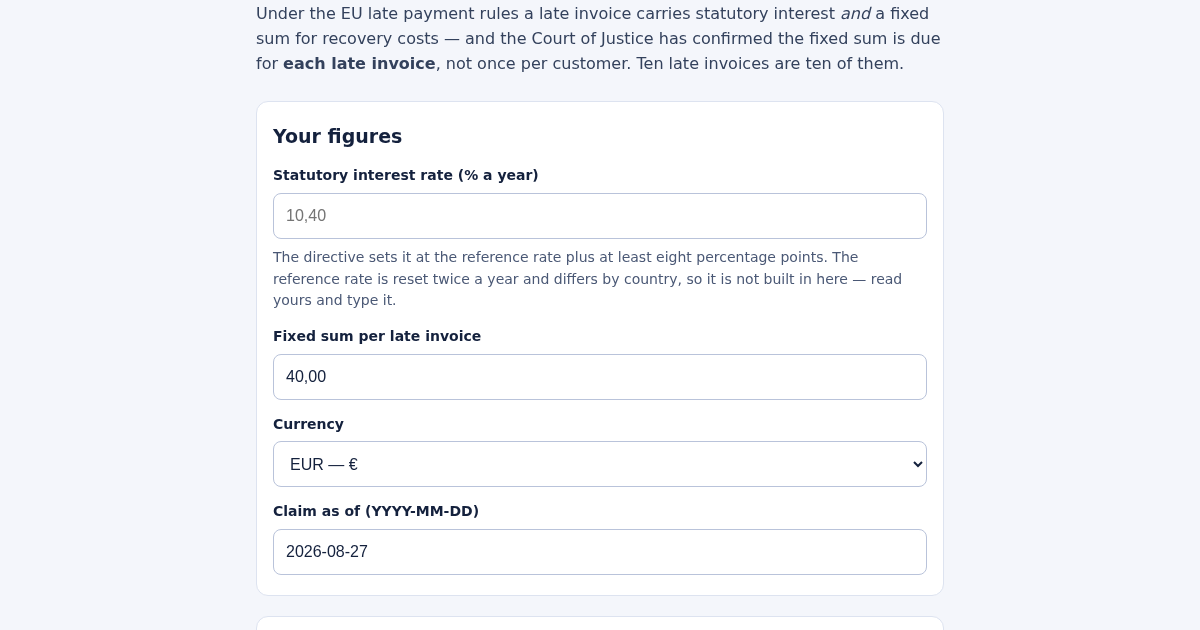
- Enter the statutory rate that applies to you — the directive sets it at the reference rate plus at least eight percentage points, and the reference rate is reset twice a year.
- Enter the fixed sum per late invoice and the currency; both are yours because the national implementation sets them.
- Add each unpaid invoice with its amount and its due date.
- Read the claim: interest, fixed sums, and the difference between counting them per invoice and per customer.
What you gain
- Calculates exactly what a late-paying customer owes you under EU rules — the statutory interest plus the fixed recovery sum per invoice — instead of you guessing or leaving it uncollected.
Screenshot
Technical details
How to set up & use
- Buy the license — your key (lic_...) appears on the order page and in your email.
- Sign in at app.synoriaai.com with your license key.
- No installation — the product runs in your browser, on your own isolated instance.
- 1. Open the page and enter the statutory interest rate for your country (it is not built in, since it changes twice a year).
- 2. In the 'Late invoices' section, add each overdue invoice: enter its reference, customer name, amount, and due date. The day after the due date is when it becomes late.
- 3. For each invoice, the fixed recovery sum is added once automatically — you can edit it if your country's law sets a different amount.
- 4. The page calculates statutory interest as amount × rate × days / 365, rounded once at the end, and shows the formula so you can verify it.
- 5. Review the total per invoice and the overall summary, then copy or note the results for your claim.
Frequently asked questions
Does the tool store my invoice data anywhere?
No. All calculations happen in your browser; nothing you enter is sent to a server or saved.
Can I claim the fixed recovery sum more than once per customer?
No — the fixed sum is counted once per late invoice, not per customer. If you have multiple late invoices from the same customer, each gets its own fixed sum.
What if my country's fixed sum or interest rate differs from the default?
Both the rate and the fixed sum are editable fields, so you can set the correct values for your jurisdiction before calculating.
Related products
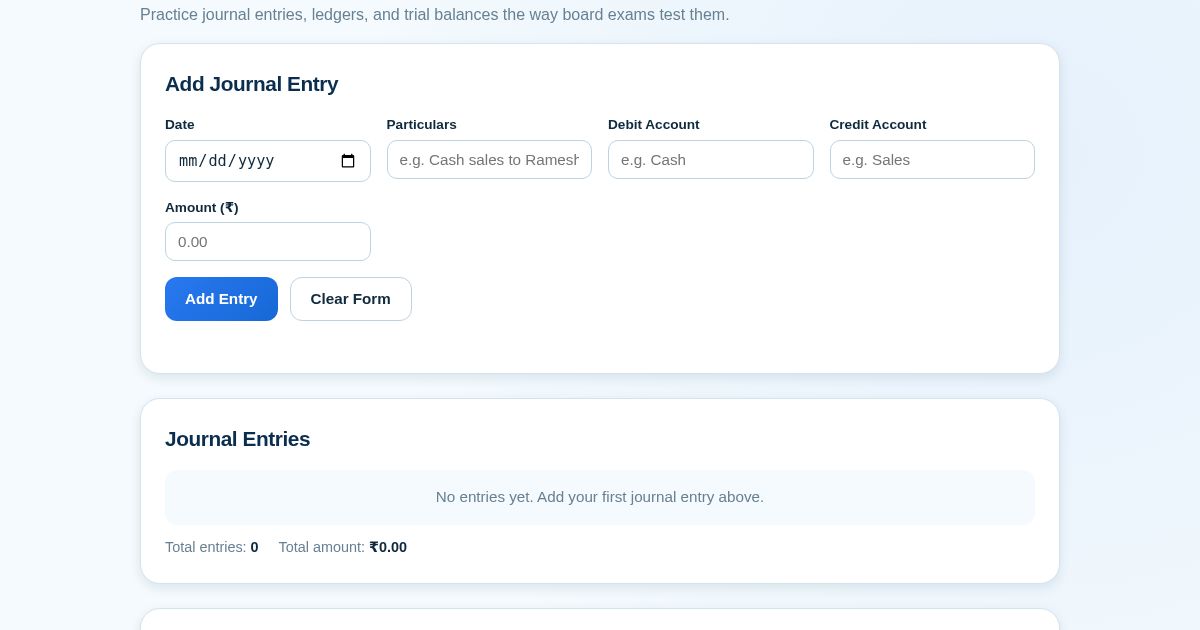
Ledger & Trial Balance Practice Tool
Commerce students in Class 10-12 need to practice journal entries and see how they flow into ledgers, trial balances, and balance sheets for board exams. This tool lets them enter transactions and instantly see the…
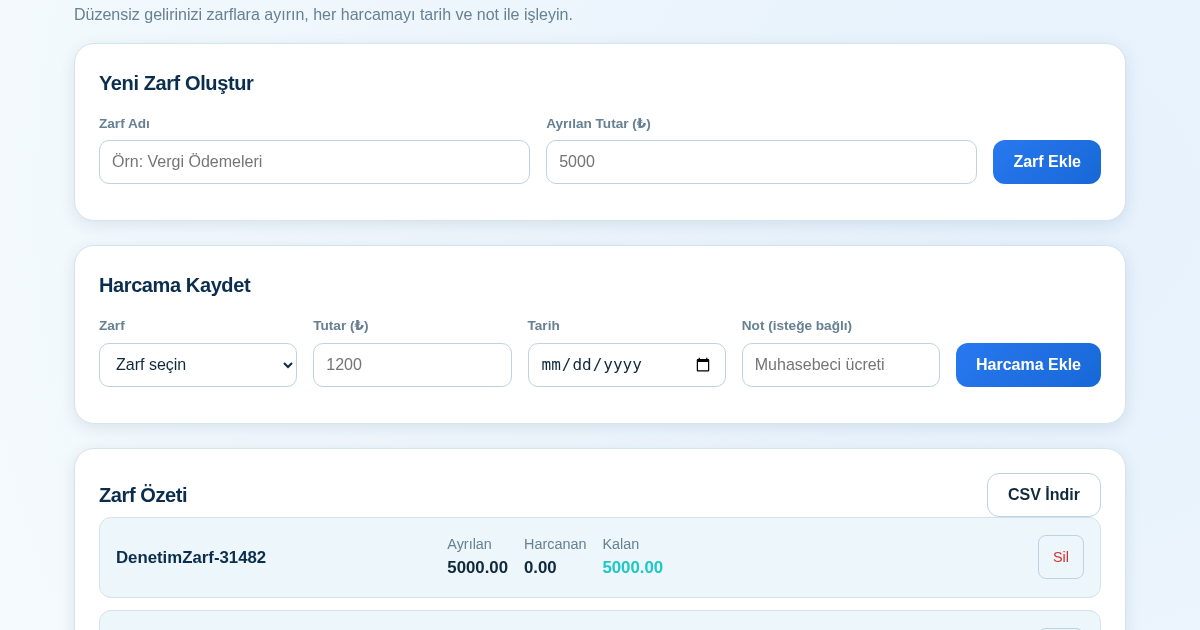
KASA - Serbest Çalışanlar İçin Zarf Bütçesi
Serbest çalışanlar düzensiz gelirlerini vergi, kira ve yaşam giderleri gibi zarflara bölerek bütçelerini düzenli tutabilir. Her harcamayı tarih ve not ile ilgili zarfa işleyerek ne kadar ayırdığını ve ne kadar…
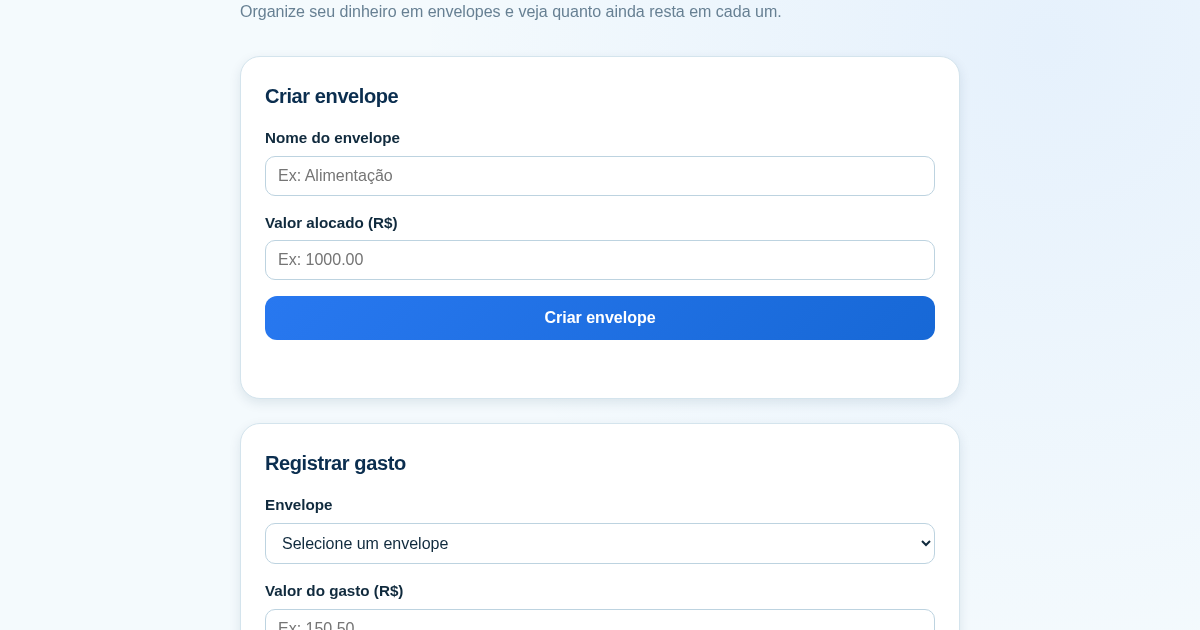
Calculadora de Orçamento por Envelopes (Pix)
Este aplicativo ajuda brasileiros a organizar seu dinheiro em envelopes de orçamento, como alimentação, transporte e lazer, sem precisar conectar uma conta bancária. Ele resolve o problema de controlar gastos do dia a…
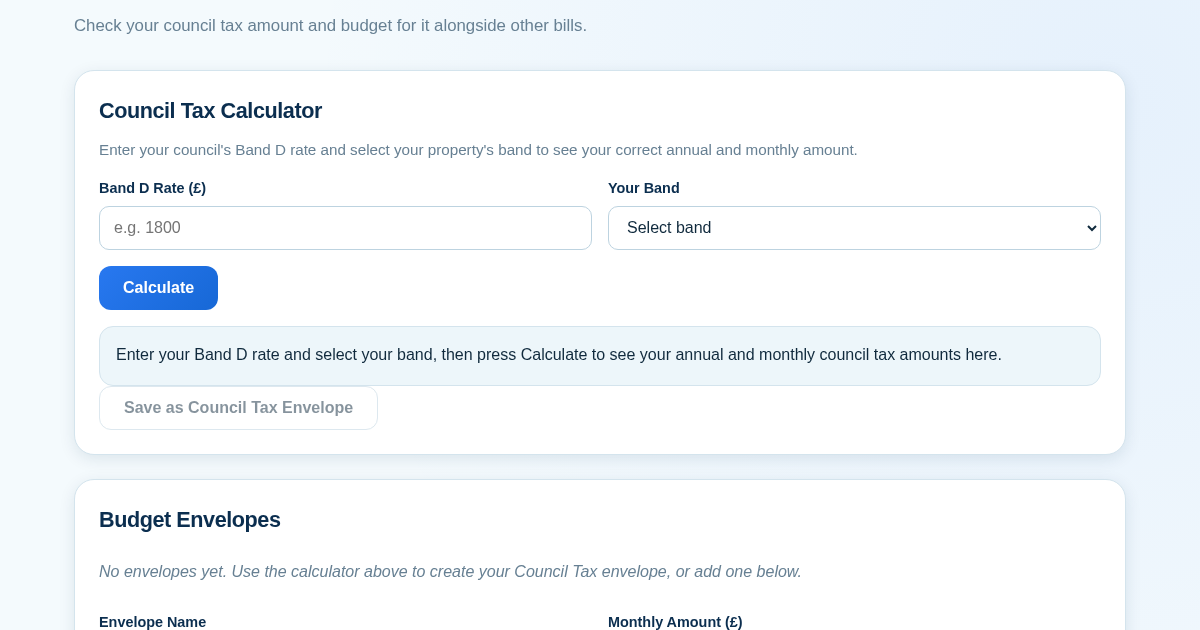
Council Tax Envelope Budget
This app helps UK residents verify they are paying the correct council tax amount for their property band by calculating it from their council's published Band D rate. It then provides a simple envelope-based budgeting…